
Blog
Spring Towing Safety Checklist for Michigan Heavy‑Duty Trailer Rentals

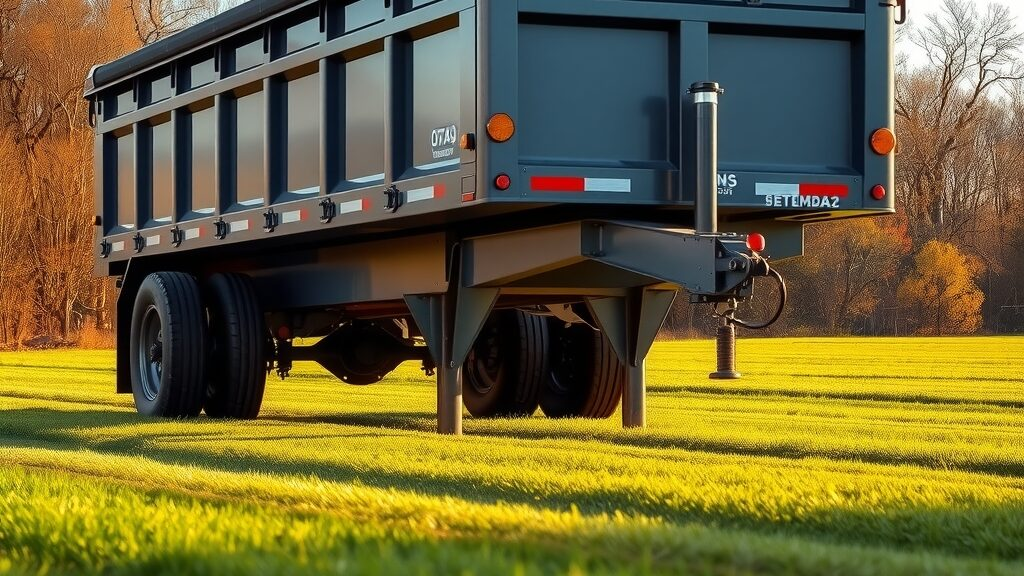
As the snow melts and Michigan roads transition to warmer weather, the spring towing safety checklist becomes essential for anyone renting a heavy‑duty trailer. Whether you’re hauling construction debris, landscaping equipment, or a classic car, a systematic prep routine protects your load, your vehicle, and your bottom line.
Understanding Spring Road Hazards in Michigan
Spring in the Midwest brings a unique mix of challenges: lingering black ice, wet leaves, and sudden rain showers that turn pavement slick. According to the Michigan Department of Transportation, crash rates increase by 12% during the March‑May thaw period, largely because drivers underestimate reduced traction.
Key hazards to watch for include:
- Black ice on bridges and shaded sections.
- Standing water that can cause hydroplaning.
- Loose gravel from road repairs.
- Debris blown onto lanes by windy spring gusts.
Recognizing these risks early lets you adjust speed, follow distance, and load securement.
Pre‑Rental Trailer Inspection: What to Check Before You Hit the Road
Even if the trailer looks clean, a thorough pre‑rental inspection is non‑negotiable. Use the Essential Dump Trailer Inspection Checklist Before You Rent in Michigan as a baseline, then add spring‑specific items:
- Check the frame for rust that may have accelerated during winter.
- Inspect lights and wiring for corrosion; replace any dim bulbs.
- Verify that the hitch coupler locks smoothly and that safety chains are free of rust.
- Confirm that the brake controller engages properly—cold‑weather grease can thicken in spring.
- Examine tires for cracks or dry rot that often appear after long winter storage.
Brake and Tire Maintenance for Seasonal Temperature Changes
Temperature swings affect both brake performance and tire pressure. As the air warms, tire pressure can rise 1‑2 psi for every 10°F increase. Over‑inflated tires reduce contact patch and increase wear.
Follow these steps:
- Check tire pressure with a calibrated gauge; adjust to the manufacturer’s recommended cold‑inflation level (usually found on the sidewall).
- Inspect brake pads for wear; replace if the friction material is less than 1/8 inch.
- Flush the brake fluid if it appears dark or contains moisture—water can boil under spring‑time braking loads.
- Apply a light coat of silicone‑based spray to wheel bearings to prevent squeal as temperatures rise.
Securing Loads for Wet and Icy Conditions
Even after the snow melts, wet leaves and early‑season rain can make loads shift. Proper tie‑down techniques are critical.
- Use ratchet straps rated for at least 5,000 lb tension.
- Place edge protectors to prevent strap abrasion on metal frames.
- Check that the load’s center of gravity sits low and centered; a high, off‑center load can cause trailer sway on wet roads.
- Secure loose items with cargo nets or bungee cords, especially for equipment that may vibrate.
- Perform a wiggle test: push the load gently from side to side; any movement means re‑tighten.
Legal Requirements: Weight Limits and Registration Updates for Spring
Michigan’s weight regulations do not change with the season, but spring inspections often reveal unnoticed over‑loads after winter snow accumulation is removed. The state enforces a maximum gross vehicle weight rating (GVWR) of 26,000 lb for most heavy‑duty trailers, with axle limits of 10,000 lb per axle.
Before you drive, verify:
- The combined weight of trailer, cargo, and tow vehicle stays within the GVWR.
- All required registration stickers are current; Michigan requires annual registration renewal in March.
- The trailer’s brake system meets the state’s “brake‑assist” requirement for units over 3,000 lb GVWR.
For a quick reference, see the table below.
| Trailer Type | GVWR (lb) | Axle Limit (lb) | Brake Requirement |
|---|---|---|---|
| Dump Trailer (5,000 lb) | 5,500 | 2,500 each | Electric brakes required |
| Tilt Trailer (6,500 lb) | 7,000 | 3,500 each | Electric brakes required |
| Car‑Hauler (10,000 lb) | 12,000 | 5,000 each | Electric brakes required |
Loading & Unloading Best Practices in Spring Weather
Spring showers can turn loading docks into slippery surfaces. Follow these safety habits:
- Wear non‑slip footwear and gloves with good grip.
- Use a ramp with a 12‑degree grade or less; steeper ramps increase the risk of trailer roll‑back.
- Secure the trailer with wheel chocks before loading.
- When unloading, keep the area clear of standing water; if water accumulates, pump it out before moving the load.
- Document any damage with photos before and after the job – useful for rental claim resolution.
Creating Your Printable Spring Towing Safety Checklist
Turn the steps above into a printable PDF that you can keep in the cab. A simple table works well:
Spring Towing Safety Checklist – Quick Reference
□ Frame & rust check □ Lights & wiring □ Hitch & safety chains □ Brake test □ Tire pressure □ Load securement □ Weight verification □ Registration up‑to‑date
Once completed, store the checklist in your vehicle’s glove compartment. For a ready‑made version, download our Spring Towing Safety Checklist PDF.
Frequently Asked Questions
Do I need to change my trailer tires for spring?
Only if the tread is worn below 2/32 inch or if you notice cracks. Otherwise, a pressure check and visual inspection are sufficient.
How often should I inspect the brake controller?
At least once before each rental period and again after any long haul exceeding 200 miles.
What is the legal weight limit for a 6,500‑lb tilt trailer in Michigan?
The maximum GVWR is 7,000 lb, with each axle limited to 3,500 lb. Exceeding these limits can result in fines and safety violations.
Can I rent a trailer for a weekend project without a commercial driver’s license?
Yes, as long as the trailer’s GVWR is under 10,000 lb and you have a valid Michigan Class D driver’s license. Heavier units require a commercial endorsement.
Where can I find real‑time road conditions for Michigan highways?
The Michigan Department of Transportation’s MDOT website offers live traffic maps and weather alerts.
Conclusion
Preparing your heavy‑duty trailer for Michigan’s spring season isn’t optional—it’s a smart business move that protects equipment, complies with state law, and keeps you on schedule. Use the checklist, stay aware of road hazards, and perform regular brake and tire maintenance. Ready to rent a trailer for your next spring project? Book online today and drive with confidence.